Panax Bloom garden note
Separate Cosmetic Leaf Damage From a Spreading Problem
A few damaged leaves do not always require treatment, but a changing pattern deserves careful identification.
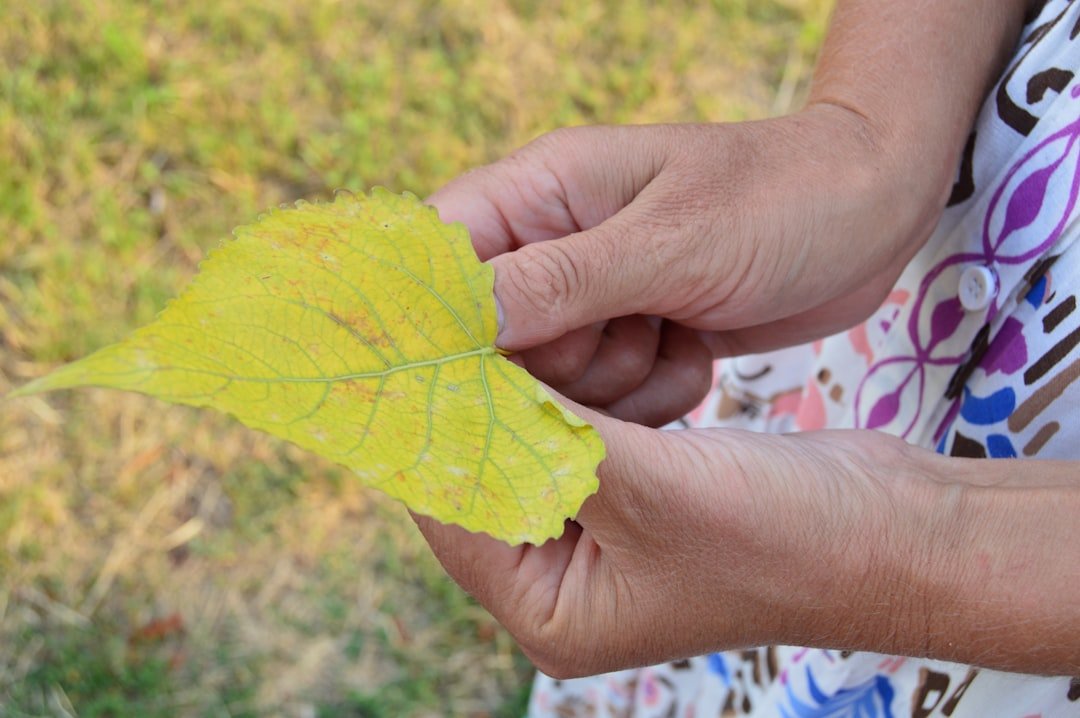
The plain answer
Inspect several leaves and nearby plants, photograph the pattern, and watch whether new growth, stems, or neighboring plants are changing.
A few damaged leaves do not always require treatment, but a changing pattern deserves careful identification. Start with the conditions you can verify rather than a product promise or a perfect social-media garden. Climate, season, plant variety, container size, and the history of the space can all change the right response.
Look before changing
Compare old and new damage in good light and check both sides of leaves before removing or spraying anything.
Inspect the whole plant or growing area, not only the most dramatic leaf. Notice what is happening above and below the problem, how nearby plants look, and whether anything changed in weather, watering, placement, or care.
Identification comes before treatment, and the least disruptive useful response comes before a broad product.
Make the smallest useful move
Change one condition and keep the result readable.
A small, specific adjustment is easier to judge than a complete reset. Water thoroughly only when moisture checks support it, move containers only when the new light and wind are suitable, and prune only after identifying healthy growth and the reason for the cut.
Do not diagnose from one leaf or use a broad treatment before identifying the likely pest, disease, weather, or care issue.
Before buying
Choose for the garden you have, not the display you saw.
Choose a treatment only after reliable identification and only when its current label covers the exact plant, problem, and use site.
Compare fit, mature size, material, storage, replacement parts, warranty, return terms, and the work required after purchase. A reused container or existing hand tool is often enough when it is safe, clean, appropriately sized, and genuinely suited to the task.
Know when the task is complete
Remove only what guidance supports, protect healthy growth, and set a date to inspect the same area again.
Leave a visible finish: a watered root zone, a supported stem, a clear walking route, a labeled seed row, or a cleaned tool back in storage. The point is not to make the whole garden finished; it is to make the next observation easier.
Continue this garden route
Three nearby tasks, kept in the same bed.
Problems
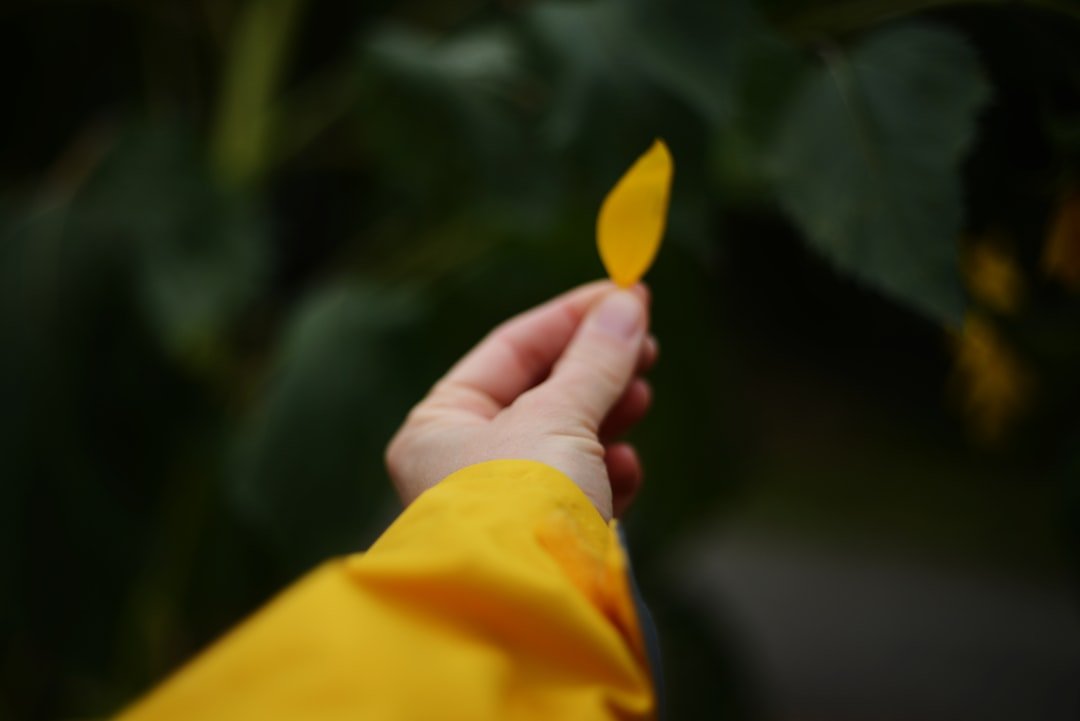
Yellow Leaves: What to Check First
Separate older-leaf turnover from water, drainage, light, roots, temperature, pests, and nutrient questions.
Open the garden note
Problems
Wilting Does Not Always Mean More Water
Heat, dry soil, saturated roots, transplant stress, stem damage, and disease can create a similar droop.
Open the garden note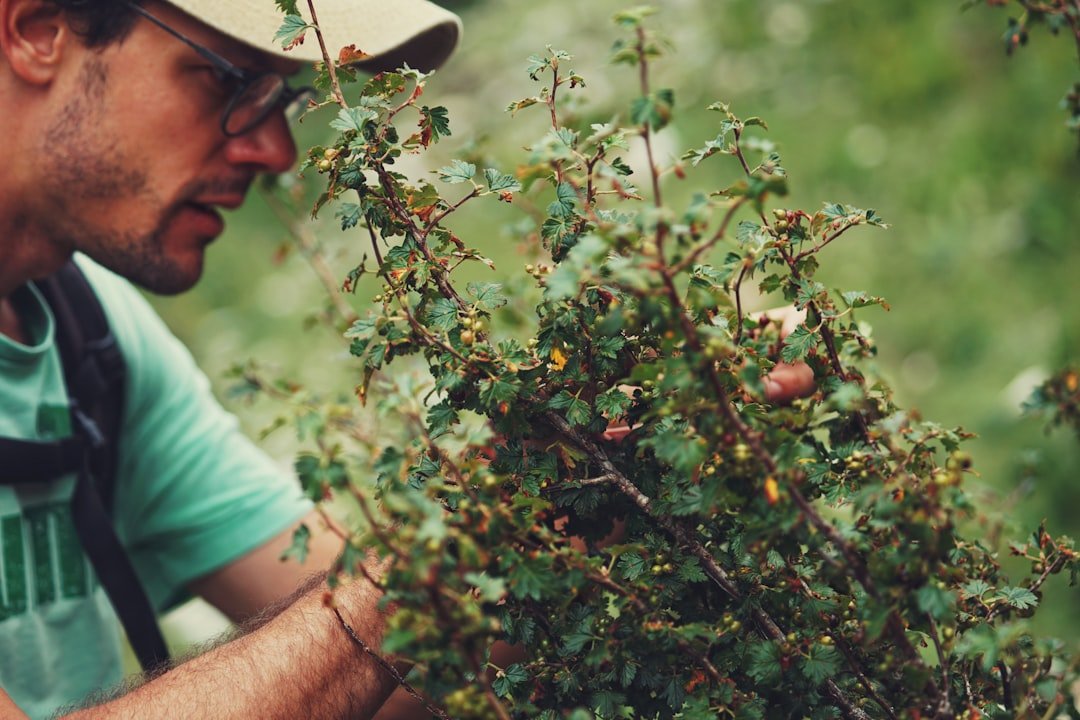
Problems
Spot Common Pests Before Reaching for a Spray
Look for insects, eggs, webbing, residue, holes, distortion, and natural predators before choosing a response.
Open the garden note